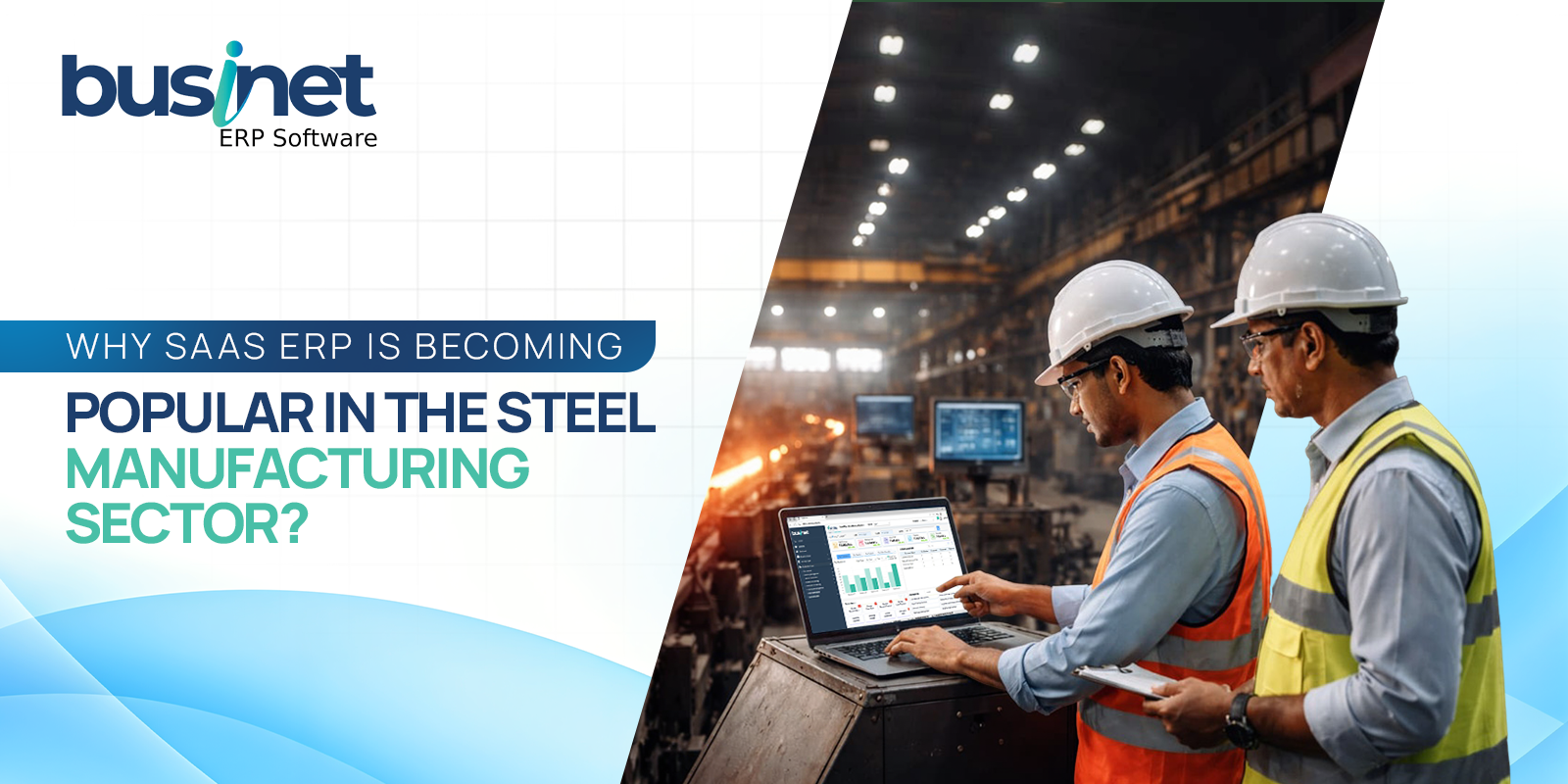
Steel manufacturers are adopting digital systems to manage inventory, purchasing, production, finance, sales, and compliance with better control. Rising raw material costs and stronger customer expectations are pushing companies towards software that supports coordination and reporting. SaaS ERP for steel manufacturing is helping plant owners maintain strong operational control without depending on fragmented spreadsheets or outdated applications.
Industry reports suggest the Indian ERP market may reach nearly $816 million in 2025, while manufacturing still accounts for the highest ERP adoption share globally. SaaS ERP platforms are becoming more practical for Indian steel companies due to lower infrastructure spending and easier deployment models. In this blog, we’ll learn more about the growing popularity of ERP solutions in the steel manufacturing sector.
Understanding ERP for the Manufacturing Sector
ERP refers to enterprise resource planning software hosted on remote servers and accessed through the internet. Manufacturers can use the software through subscription-based access models. This setup helps steel businesses reduce hardware costs, improve accessibility, and simplify software maintenance. Modern SaaS ERP systems support procurement, warehouse management, finance tracking, production scheduling, and quality control from a centralised dashboard.
Steel manufacturing companies deal with heavy inventory volumes, production planning challenges, and strict dispatch timelines. SaaS ERP systems support coordination between departments. Even growing enterprises searching for ERP software for small business operations are considering SaaS platforms because they offer scalability without major upfront investment.
Why ERP is Gaining Popularity in the Steel Manufacturing Industry?
Lower Upfront Investment
Steel manufacturers are reducing initial software and infrastructure expenses by shifting to cloud-based ERP software platforms. Instead of purchasing expensive servers and software licenses, businesses pay a predictable subscription fee. This approach helps reduce implementation and IT costs by nearly 20% to 40% while improving accessibility and system management across operations.
Faster Access to Production Data
Steel plants operate continuously, involving procurement, rolling, cutting, dispatch, and quality testing. SaaS ERP systems provide centralised data access, enabling department heads to review reports instantly. Real-time dashboards improve planning accuracy, reduce communication delays, and support decision-making during manufacturing schedules.
Better Multi-Plant Coordination
Large steel manufacturers frequently operate across multiple production locations and warehouses. ERP systems support synchronised reporting from a single interface. Management teams can track inventory movement across facilities without depending on disconnected software systems.
Easier Compliance Management
Steel manufacturing businesses must maintain documentation related to taxation, environmental regulations, procurement records, employee attendance, and production quality standards. ERP platforms simplify record maintenance through automated reporting and digital document management. This reduces administrative pressure and supports faster compliance audits for operational and financial processes.
Scalable Business Operations
As steel manufacturers expand into new markets, operational requirements also increase. SaaS ERP platforms allow businesses to add users, departments, and production modules without replacing the existing setup. Companies implementing ERP for steel manufacturing benefit from flexible subscription models that support long-term growth without large technology replacement costs.
Must-Have Features of the Best ERP Software for the Steel Industry
Inventory Management Tools
An effective ERP platform should provide detailed inventory tracking for raw materials, finished goods, scrap handling, and warehouse movement. Businesses searching for ERP software for small business requirements also require accurate stock visibility to reduce wastage, improve procurement planning, and maintain production schedules across operational units.
Production Planning Support
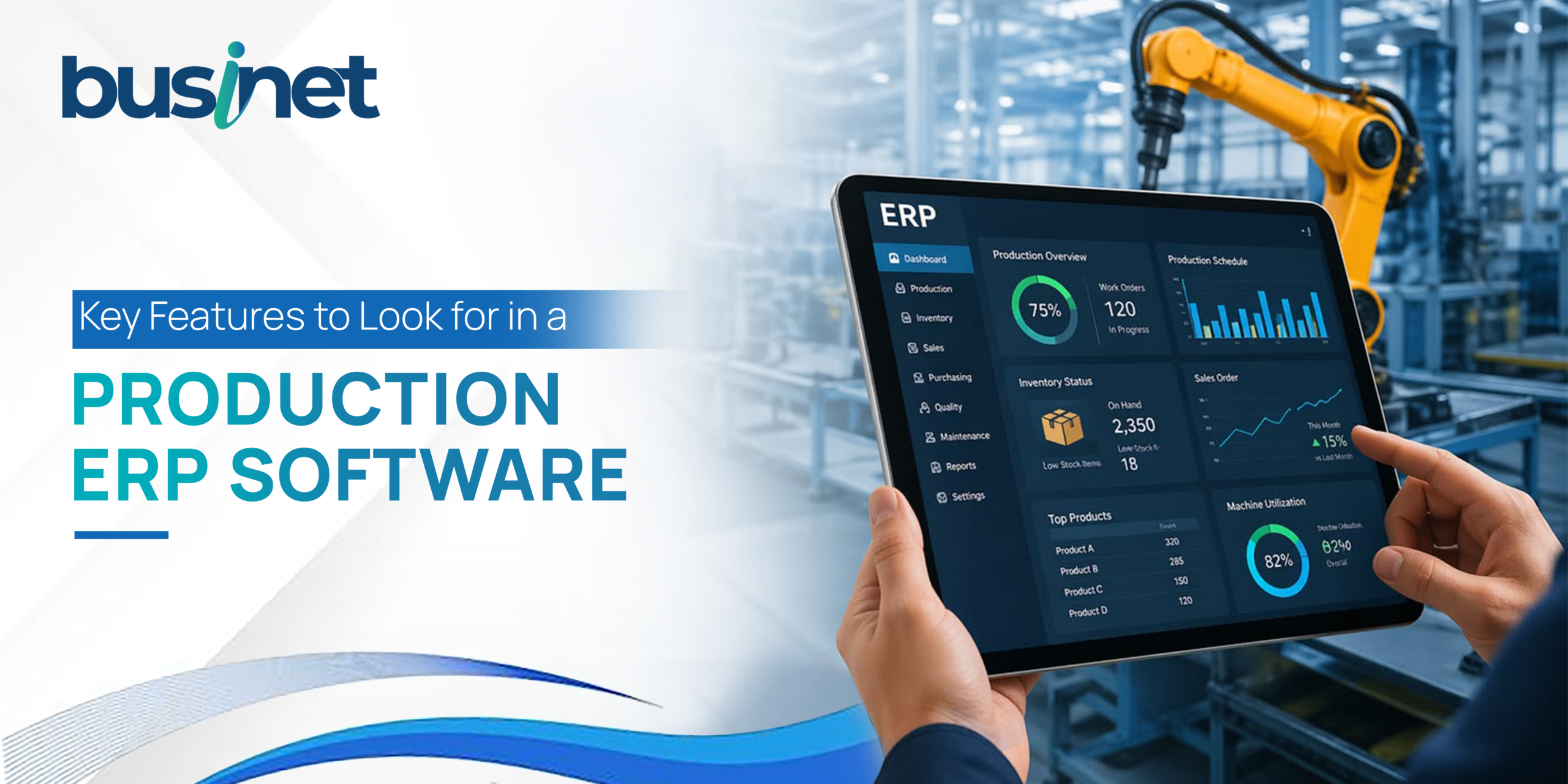
Steel manufacturing involves batch processing, machine scheduling, and production target monitoring across different departments. ERP systems should support production planning with automated workflows, scheduling tools, and reporting dashboards. This helps supervisors reduce downtime, monitor machine utilisation, and maintain operational consistency during production cycles.
Vendor Tracking
Procurement management remains essential for steel manufacturers dealing with large supplier networks and fluctuating raw material pricing. ERP systems should support purchase order tracking, vendor performance analysis, invoice processing, and approval workflows. Better procurement visibility helps businesses maintain supplier accountability and improve material availability for production activities.
Financial Reporting Capabilities
Finance management is a critical component of steel manufacturing operations because companies handle large procurement transactions, payroll records, taxation requirements, and dispatch billing. ERP systems should include accounting tools, GST reporting support, budgeting modules, and automated financial statements for better business monitoring and regulatory compliance.
Secure Cloud Accessibility
Modern ERP systems should provide remote access for production managers and senior executives. Reliable cloud-based ERP software supports centralised monitoring, automatic data backups, and user permissions. These features improve operational continuity while supporting collaboration between departments and branch offices.
Wrapping Up
ERP solutions are helping steel manufacturers improve operational visibility and inventory management through centralised digital systems. Their subscription-based structure also makes deployment simpler and more cost-effective for companies aiming to improve efficiency without heavy infrastructure investment.
If you’re looking for reliable ERP software in India, then Businet ERP is for you. It offers practical business management tools designed to support manufacturing operations with better reporting, inventory monitoring, and process coordination. Businet In also supports companies aiming to strengthen operational performance with scalable ERP solutions. So why wait! Contact us today to discuss the ERP strategy for your steel manufacturing business!
Frequently Asked Questions (FAQs)
1. Why is ERP suitable for steel manufacturers?
ERP helps steel manufacturers manage inventory, purchasing, production, finance, sales, and compliance from one system. It also improves coordination between departments and supports better operational planning.
2. Can ERP support multiple steel plants?
ERP software allows companies to monitor multiple plants through a centralised dashboard. Management teams can review operational reports more efficiently.
3. How does ERP improve inventory control?
ERP software tracks raw materials, finished goods, scrap, and warehouse stock accurately. Automated inventory records help businesses reduce wastage and maintain smoother production scheduling.
4. Is ERP cost-effective for growing manufacturers?
Cloud-based ERP platforms reduce spending on hardware, maintenance, and software upgrades. Growing manufacturers can gradually expand their user base and features without investing heavily in new infrastructure.
5. Why should companies consider Businet ERP?
Businet In supports manufacturing businesses with tools for managing inventory, purchasing, production, finance, sales, and compliance. It helps companies maintain better control across daily business activities.