In steel manufacturing, efficiency depends on how well every part of the plant works together. Whether it’s material movement, machine hours or quality checks, even a small gap in control can slow production and raise costs. That is why modern plants cannot depend only on spreadsheets, manual registers, or scattered software.
India’s steel sector is growing fast. India produced 151.14 million tonnes of crude steel in FY25 and remained the world’s second-largest crude steel producer. Finished steel consumption reached 150.23 million tonnes in FY25, which shows strong demand from construction, infrastructure, automotive, and engineering sectors. Globally, steel remains one of the most important industrial materials, with the World Steel Association tracking production, trade, demand, sustainability, and safety across major steel-producing countries.
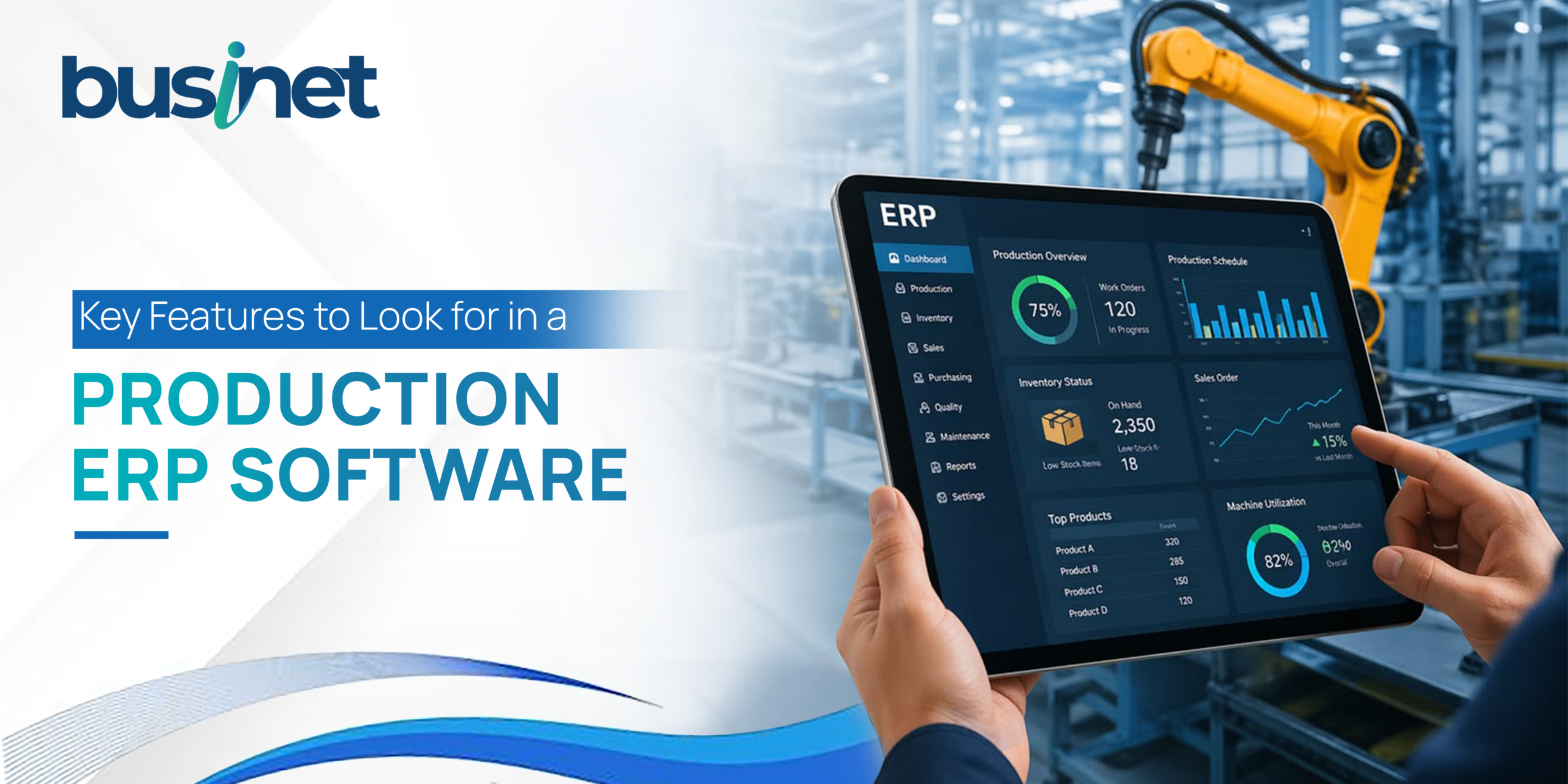
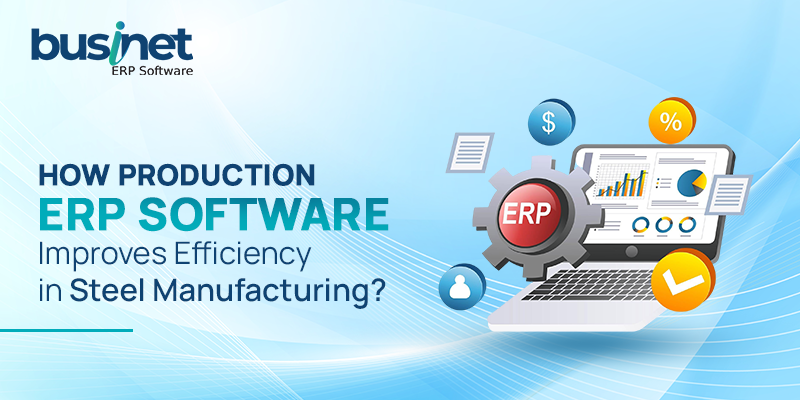
In this high-pressure environment, production ERP software helps steel companies connect planning, shop floor activity, inventory, quality, maintenance, sales, and finance in one system. It gives managers live visibility instead of late reports. It also helps teams make quicker decisions with fewer errors. For companies evaluating ERP for steel manufacturing, the real value lies in control: control over material, machines, people, cost, and delivery.
What is Production ERP Software?
ERP Software is an integrated business system that manages manufacturing operations from order booking to final dispatch. In a steel plant, it can track raw materials, heats, billets, coils, bars, sheets, work orders, production stages, machine usage, quality results, inventory movement, and customer orders.
Unlike basic accounting or billing tools, a production ERP Software supports the actual manufacturing cycle. It helps teams plan what to produce, when to produce it, which materials to use, which machine to allocate, and how to measure the output. The system also connects production data with purchase, stores, finance, sales, and dispatch.
Why Steel Manufacturers Need Specialised ERP?
Steel manufacturing has complex workflows. A plant may handle melting, casting, rolling, cutting, annealing, coating, inspection, packing, and dispatch. Each stage has different inputs, outputs, wastage, tolerance limits, and quality checks. Generic ERP tools often fail here. Steel producers need heat-wise traceability, grade-wise inventory, coil or batch tracking, scrap accounting, production loss tracking, and test certificate management. A specialised system understands these shop floor realities. When businesses search for the best ERP software in India, they should look beyond brand names and focus on steel-specific functionality.
Common Operational Challenges in Steel Manufacturing
Raw Material Tracking Issues
Steel plants use iron ore, scrap, sponge iron, ferroalloys, coal, billets, slabs, chemicals, and consumables. If teams track these materials manually, errors creep in quickly. Stock may look available in records, while the physical yard tells another story. This mismatch affects planning and purchase decisions.
Production Delays
Delays often start small. A machine waits for material. A supervisor waits for lab approval. Dispatch waits for packing. Sales waits for production updates. Without one connected system, every team works with partial information. The delay then travels across the plant.
Inventory Mismanagement
Steel inventory is not simple. Weight, grade, size, heat number, length, thickness, coating, and customer specification all matter. Excess inventory blocks cash. Low inventory stops production. Wrong inventory creates rework. Poor visibility hurts every department.
Quality Control Problems
Steel buyers expect consistency. They need correct grades, dimensions, strength, surface finish, and test reports. If quality data sits in paper files or isolated spreadsheets, teams may miss defects, repeat mistakes, or struggle during audits.
Lack of Real-Time Data
Many plants still review production at the end of a shift or the next morning. That is too late. By then, downtime has already happened. Material has already moved, rework has already grown. Managers need live information to act while the issue is still fixable.
How the System Improves Efficiency in Steel Manufacturing?
Real-Time Production Monitoring
An ERP system gives managers live updates on production orders, machine status, output, rejection, downtime, and work-in-progress. Teams no longer chase phone calls for basic updates. They can see what is running, what is delayed, and what needs attention. Real-time visibility also improves accountability. Operators, supervisors, planners, and managers work from the same data. This reduces confusion and helps teams solve problems faster.
Better Production Planning and Scheduling
Steel plants deal with grade changes, machine capacity, order priorities, delivery dates, and maintenance windows. A strong ERP helps planners create realistic schedules based on actual capacity and available material. For example, the system can group similar grades or sizes to reduce setup time. It can also highlight material shortages before production starts. This helps the plant avoid rushed decisions and last-minute chaos.
Smart Inventory Management
ERP gives clear visibility into raw materials, semi-finished goods, finished goods, scrap, and consumables. Teams can track inventory by grade, batch, heat number, size, location, and status. This helps purchase teams order the right quantity at the right time. It also helps production teams avoid shortages. NetSuite reports that 91% of companies with ERP projects live for at least a year saw optimised inventory levels, while 78% improved productivity.
Improved Supply Chain Coordination
Steel manufacturing depends on suppliers, transporters, warehouses, and customers. ERP connects purchase orders, material receipts, quality approvals, supplier performance, and dispatch schedules. When every department uses the same system, coordination improves. Purchase can see production demand. Stores can see incoming material. Sales can see dispatch readiness. Finance can track payments and costing without waiting for manual updates.
Quality Control and Compliance Management
A steel-focused ERP records quality checks at each stage. It can capture chemical composition, mechanical test results, dimensional checks, surface defects, inspection remarks, and customer-specific standards. This improves traceability. If a customer reports an issue, the company can trace the batch, heat, production route, operator, test result, and dispatch details. That saves time and protects trust.
Data-Driven Decision Making
Good decisions need clean data. ERP turns daily transactions into useful insights. Managers can review production efficiency, yield, rejection, downtime, inventory ageing, order profitability, supplier delays, and machine performance. This helps leadership spot clear performance patterns instead of relying on assumptions. ERP data can show which machine records higher downtime, which raw material batch creates more rejection, and which product line delivers stronger margins. With these insights, managers can fix recurring issues faster and make decisions based on facts.
Summing Up
Steel manufacturing rewards discipline. It punishes guesswork. As demand grows, plants need systems that can handle speed, complexity, quality, and cost pressure without creating confusion. For businesses ready to move beyond scattered tools and manual follow-ups, Businet ERP Software offers a connected ERP platform with modules for inventory, finance, procurement, production planning, sales, plant maintenance, and more. Its platform is designed to connect business functions and help growing companies operate smarter, faster, and better. Choose Businet ERP Software to simplify your steel manufacturing operations and bring better control to every stage of production. Book a demo today and take the next step toward a more organised, efficient, and scalable manufacturing business.
Frequently Asked Questions
1. What does ERP do in steel manufacturing?
ERP connects production, inventory, purchase, sales, quality, maintenance, finance, and dispatch in one system. It helps teams manage orders, materials, machines, quality checks, and delivery schedules with better accuracy.
2. How does ERP reduce production delays?
ERP gives planners real-time visibility into material availability, machine capacity, work-in-progress, and pending approvals. This helps teams spot bottlenecks early and keep production moving.
3. Can ERP help reduce steel wastage?
Yes, ERP tracks planned consumption, actual consumption, scrap, rejection, and yield. Managers can find where material loss happens and take corrective action before it becomes a recurring cost.
4. Why is generic ERP not enough for steel plants?
Steel plants need grade-wise inventory, heat-wise traceability, batch tracking, quality test records, production loss tracking, and machine-stage monitoring. Generic systems often lack these industry-specific features.
5. Is ERP useful for small and mid-sized steel manufacturers?
Yes, smaller plants also deal with inventory pressure, delivery commitments, costing issues, and quality requirements. A well-chosen ERP can help them reduce manual work and scale with greater control.