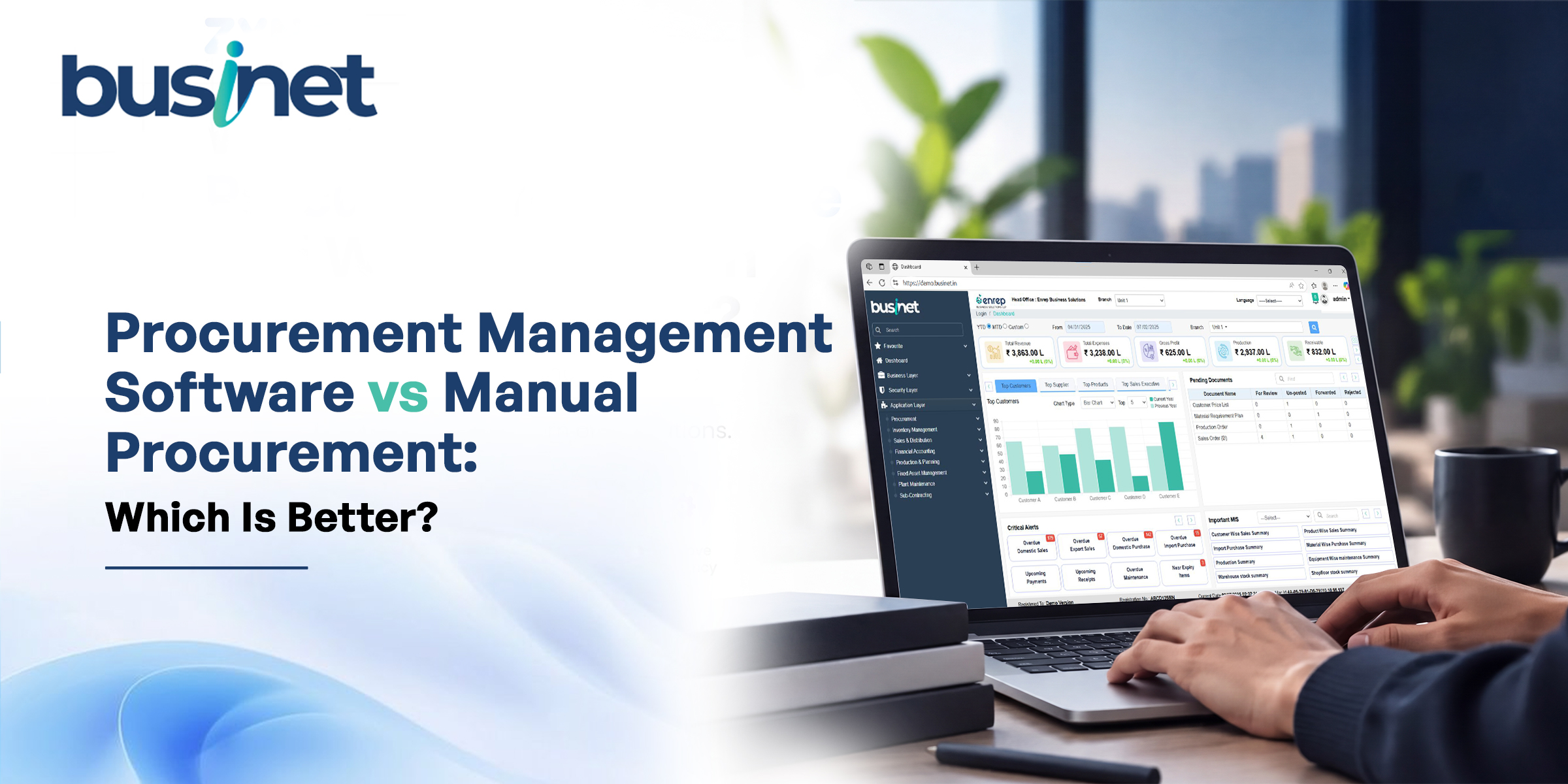

Plastic manufacturing leaves little room for guesswork. Resin, additives, packaging materials, finished goods, and production schedules need close control. A small stock error can cause delays, extra buying, or waste. The right software for the plastic industry can bring key inventory details into one system. According to a report, the global plastic market size is expected to reach USD 750.1 billion by 2028 and is expected to expand at a CAGR of 3.4% from 2021 to 2028. In this blog, we’ll learn what plastic manufacturers should check before selecting inventory software, which features support daily work, and how the right system can improve planning and production.
Why Plastic Manufacturers Need Better Inventory Control?
Plastic manufacturing often involves several raw materials, grades, colours, sizes, moulds, and finished products. Stock levels can change quickly as materials move from storage to production and dispatch. Manual records can make it harder to see quantities, track material use, or spot shortages before they affect orders.
Better control helps reduce excess stock and unplanned purchases. With ERP software for the plastic industry, teams can connect purchasing, stores, production, sales, and dispatch information in one place. This gives managers a clearer view of stock movement and helps them make decisions using current data rather than scattered records.
What to Look for in Inventory Management Software?
The right system should fit how a plastic plant buys materials, stores goods, runs production, and fulfils customer orders. When selecting, ERP for the plastic industry should be checked for these practical points:
- Raw material tracking: Track resin, additives, colours, packaging items, and other inputs from receipt to production use.
- Batch and lot control: Batch records should help teams trace materials, monitor stock age, and support quality checks when required.
- Real-time stock levels: Current quantities should be visible across warehouses and storage locations so teams can act before shortages or excess stock become costly.
- Purchase planning: Support reorder levels, supplier records, purchase requests, and purchase orders to improve material availability.
- Production linkage: Inventory data should connect with production needs so material consumption, output, and remaining stock stay aligned.
- Reporting and analysis: Reports should show stock movement, slow-moving items, purchase trends, consumption, and inventory value.
The system should offer secure access, useful reports, and room to support added products or locations.
Five Features That Make Inventory Software More Useful
Useful inventory software does more than record quantities. It should reduce gaps between purchasing, production, storage, and order fulfilment. Five features can make the system more useful.
Accurate Tracking
Stock records should update as goods are received, issued, moved, or produced. This shows what is available, stored, and committed to an order.
Barcode Support
Barcode scanning can speed up receiving, issuing, counting, and dispatch tasks. It can also reduce manual entry mistakes and make stock checks easier for warehouse staff.
Unified Records
A single source of data can connect purchasing, inventory, production, and sales information. Businet ERP uses this connected approach to support clearer information flow across routine business activities.
Smart Alerts
Useful alerts can flag low stock, delayed purchases, ageing inventory, or unusual movements. Timely notices help staff respond sooner and reduce the risk of production interruptions.
Clear Dashboards
Simple dashboards can present stock value, item quantities, purchase status, and movement trends in a quick view. Managers can review key information without checking several separate records.
How Software Can Improve Production and Stock Planning?
Production planning becomes easier when teams can see raw materials, expected receipts, current orders, and stock requirements together. This helps planners arrange purchases and production around real demand instead of rough estimates. The best software for the plastic industry can also help reduce idle time caused by missing materials.
It can also improve coordination between stores and production. When material use and finished output are recorded promptly, managers can compare planned quantities with actual usage, spot unusual consumption, and adjust future orders. This creates a more controlled flow from material purchase to finished stock.
Choosing Software That Fits Your Plastic Business Needs?
Selecting software should go beyond a list of features. The system must match the plant’s size, process structure, user needs, and growth plans. A practical check of five areas can make the decision clearer.
Production Fit
The software should support your production method, material flow, product variations, and stock stages.
Business Size
Small and growing units may need simple controls first, while larger plants may require broader workflows, multiple locations, advanced reporting, and stronger user controls.
ERP Compatibility
ERP for the plastic industry should connect inventory with purchasing, sales, production, and finance. This reduces duplicate entry and keeps information consistent across functions.
Ease of Use
Staff should be able to find records, complete routine tasks, and understand reports without complex steps. Practical screens can improve daily adoption.
Future Growth
Choose a system that can handle more products, users, warehouses, and transactions later. Scalable software can reduce the need for another major system change as operations expand.
Wrapping Up
Perfect and precise inventory control gives plastic manufacturers better visibility over materials, products, purchases, and production needs. The right software can reduce manual work, support accurate planning, and help teams respond faster to stock changes. It should be selected based on actual business processes rather than a feature list alone.
For plastic businesses seeking a connected way to manage operations, Businet ERP offers practical tools for inventory, purchasing, sales, and production workflows. We help businesses bring key records into one system, improve information flow, and support better stock decisions. Our approach focuses on simple processes, useful data, and scalable business management. This supports clearer stock control.
Frequently Asked Questions (FAQs)
What is inventory management software for plastic manufacturers?
It records and manages raw materials, production stock, finished goods, purchases, storage movements, and order-related inventory in one place.
Can inventory software track plastic raw materials?
Yes. A suitable system can track resin, additives, colours, packaging materials, quantities, batches, storage locations, receipts, and production usage.
How does inventory software reduce stock problems?
It provides current stock information, reorder controls, movement records, and reports that help teams spot shortages, excess stock, and unusual consumption earlier.
Should inventory software connect with production?
Yes. Linking inventory with production helps planners check material availability, record consumption, monitor output, and keep stock records closer to actual operations.
What should a plastic company check before buying software?
Check production fit, stock tracking, reporting, ease of use, integrations, user access, scalability, and supplier support before making a decision.