Losing valuable production hours because of unexpected machine downtime, delayed reporting, or unnoticed bottlenecks? Quality issues in manufacturing can quickly disrupt operations when teams lack real-time visibility.
According to McKinsey, unplanned downtime can reduce manufacturing productivity by up to 20%. Yet many businesses still rely on manual reports and delayed updates to track production performance. By the time problems are identified, valuable time and resources have already been lost.
Real-time production monitoring software helps manufacturers stay ahead of these challenges. It provides instant visibility into production activities, machine performance, inventory movement, and operational bottlenecks, enabling faster decisions and greater control across the shop floor.
What Is Real-Time Production Monitoring Software?
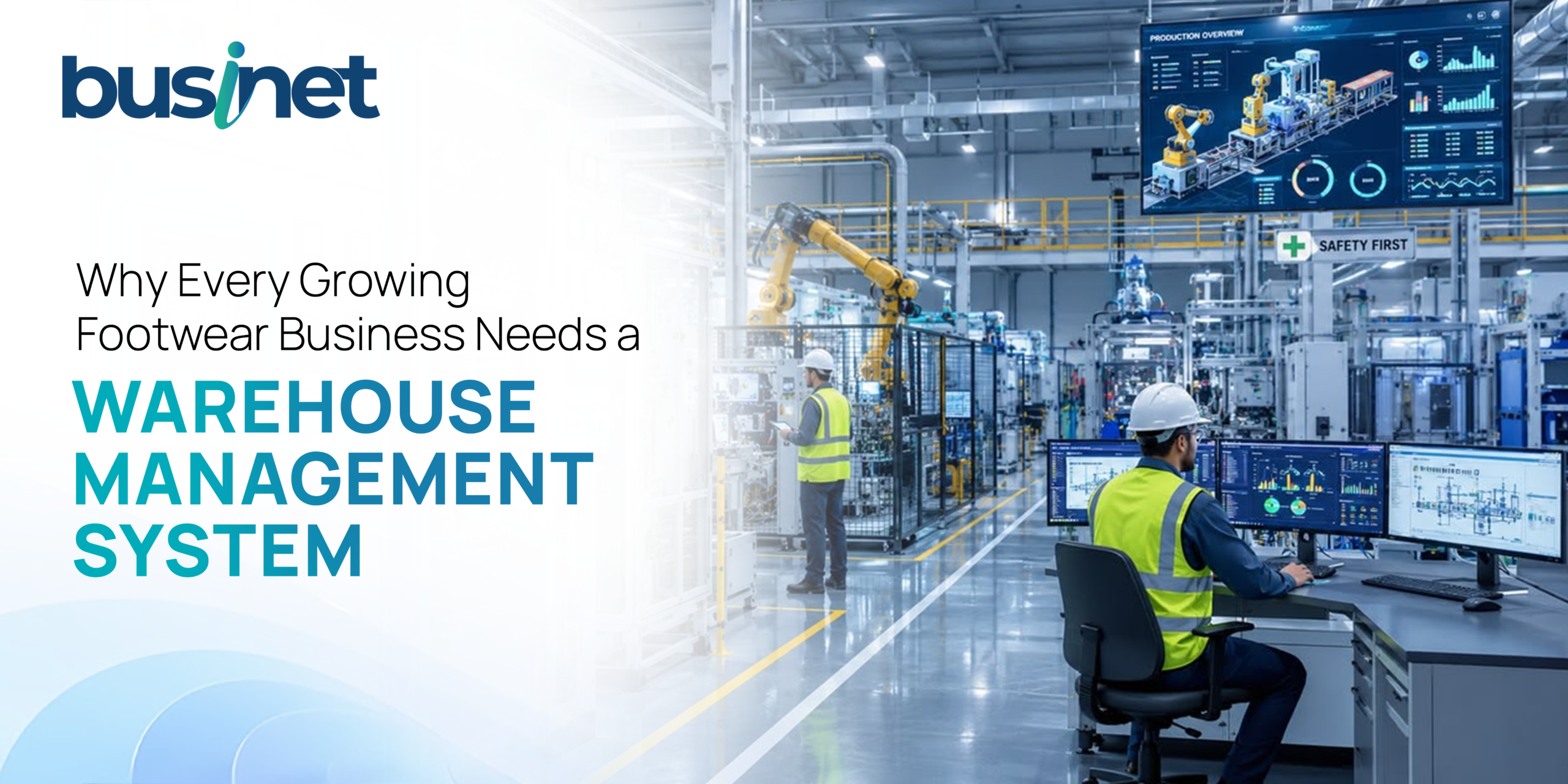
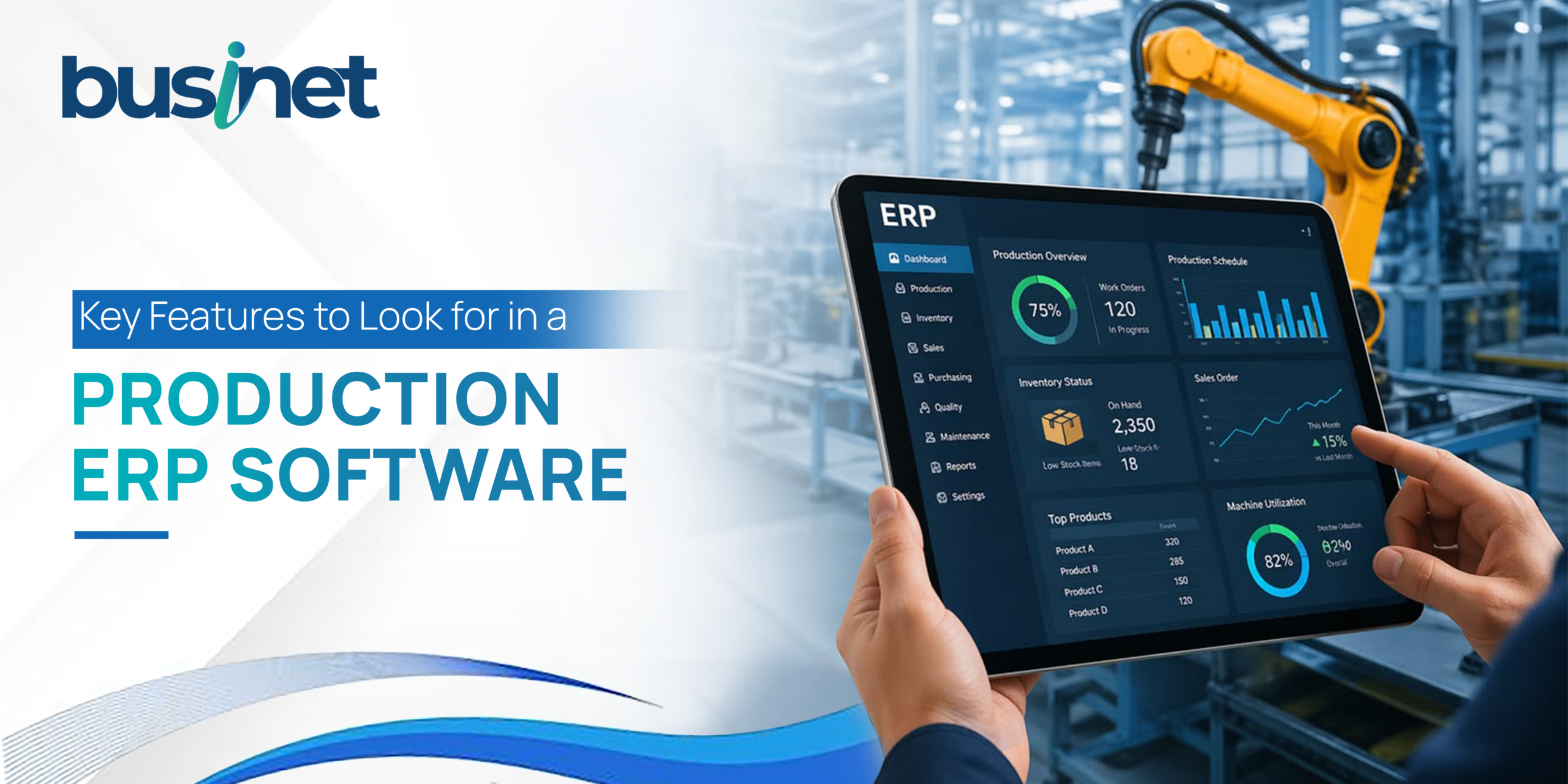
Real-time production monitoring software tracks manufacturing activities as they happen on the shop floor. It collects live data from machines, production lines, operators, and inventory systems. Managers can view performance, output, machine utilisation, downtime, and production status through a central dashboard.
Instead of waiting for reports at the end of a shift, decision-makers can identify issues immediately and take corrective action before small problems become expensive disruptions.
Modern manufacturers often integrate monitoring capabilities with production ERP software to create a connected system that improves visibility across departments.
The Challenges Manufacturers Face Without Live Monitoring
Many manufacturing businesses still depend on manual reporting processes. These methods often create delays and inaccuracies.
Some common challenges include:
- Unplanned machine downtime
- Production bottlenecks
- Inaccurate inventory records
- Delayed reporting
- Quality control issues
- Lack of visibility across departments
- Difficulty meeting delivery deadlines
For example, if a machine stops unexpectedly during production, a supervisor may not discover the issue until much later. This delay can affect production schedules, customer commitments, and overall profitability. Without real-time insights, businesses often react to problems rather than prevent them.
Why Manufacturers Must Switch to Live Monitoring?
The biggest advantage of real-time monitoring is visibility. When manufacturers can see exactly what is happening on the shop floor, they can make faster and better decisions. According to a report by Deloitte, manufacturers that adopt smart factory technologies can improve productivity by up to 12%.
This demonstrates the growing value of data-driven manufacturing operations. Real-time monitoring helps organisations move from reactive management to proactive control.
Faster Response to Production Issues
Every minute of downtime costs money. Live monitoring systems send alerts when equipment performance drops or production stops unexpectedly.
Managers can investigate issues immediately instead of discovering them hours later. Faster response times reduce disruptions and help maintain production targets.
Consider a packaging manufacturer producing thousands of units daily. If a conveyor system slows down due to a mechanical fault, real-time alerts allow maintenance teams to act quickly before the entire line comes to a standstill.
Improved Production Efficiency
Manufacturers need accurate information to improve efficiency. Real-time dashboards provide detailed insights into production rates, machine performance, and workforce productivity.
With access to live data, managers can identify bottlenecks, optimise workflows, and improve resource allocation. Many businesses using ERP software for small business operations are now combining production monitoring with broader business management tools to streamline processes and eliminate inefficiencies.
Better Inventory Control
Inventory management remains one of the biggest challenges in manufacturing. Excess stock ties up working capital, while shortages cause production delays.
Real-time monitoring provides accurate inventory visibility across multiple locations. Manufacturers can track raw materials, work-in-progress inventory, and finished goods without relying on manual updates.
This level of visibility helps businesses plan production more effectively and reduce costly stock discrepancies.
The Role of Data in Modern Manufacturing
Manufacturing decisions should be based on facts rather than assumptions. Real-time production monitoring provides continuous access to reliable operational data.
Advanced manufacturing analytics can reduce machine downtime while increasing productivity. These improvements can have a significant impact on profitability, particularly for manufacturers operating with tight margins.
When production data is available instantly, businesses can:
- Improve forecasting accuracy
- Reduce production delays
- Optimise machine performance
- Monitor quality standards
- Increase output without increasing costs
Data becomes a valuable asset rather than a collection of disconnected reports.
Real-Time Monitoring Supports Quality Control
Product quality directly affects customer satisfaction and brand reputation. Traditional quality inspections often identify defects after production is complete. By that stage, manufacturers may already have produced hundreds or thousands of faulty units.
Real-time monitoring helps teams detect quality issues during production. Operators can identify abnormalities immediately and take corrective action before defects spread throughout a batch.
For example, a food processing manufacturer can monitor temperature variations in real time. If temperatures move outside acceptable limits, alerts can be triggered instantly to prevent product spoilage and compliance issues.
Many businesses implementing ERP software in India for manufacturing are prioritising real-time quality monitoring to maintain consistency and meet industry regulations.
Greater Visibility Across Departments
Manufacturing success depends on coordination between multiple departments. Production, procurement, inventory, maintenance, sales, and finance all need access to accurate information.
Disconnected systems often create communication gaps. Teams work with different versions of data, resulting in delays and confusion.
An integrated platform brings all operational information together on a single dashboard. This creates transparency and ensures everyone works from the same information. Businesses increasingly prefer solutions that offer:
- Real-time visibility
- Automated workflows
- Management dashboards
- Inventory tracking
- Production planning
- Financial reporting
These capabilities help organisations operate smarter and make decisions with greater confidence.
How Integrated ERP and Monitoring Systems Deliver Better Results?
Manufacturers no longer want separate systems for production, inventory, accounts, and planning. They need a connected environment that supports growth and efficiency.
This is where Businet ERP Software helps businesses streamline operations through a single platform. Our platform combines features such as management dashboards, production planning, inventory control, workflow automation, and real-time reporting, giving manufacturers greater operational control.
When production monitoring works alongside ERP capabilities, businesses gain a complete view of performance across the organisation. The result is faster decision-making, improved collaboration, and stronger business outcomes.
Final Thoughts
Manufacturing is becoming increasingly complex, and businesses cannot afford to rely on outdated reporting methods. By monitoring operations, manufacturers can solve problems faster, optimise resources, and make smarter decisions based on accurate data.
If you want better control over production, inventory, planning, and business operations, now is the time to invest in a modern ERP solution with real-time monitoring capabilities. Businet ERP is designed to help manufacturers operate smarter, faster, and more efficiently, from live shop-floor visibility and automated workflows to real-time dashboards and multi-branch management.
Book a personalised demo today and see how a unified manufacturing ERP platform can help your business reduce downtime, improve productivity, and scale with confidence.
Frequently Asked Questions
What is real-time production monitoring software?
Real-time production monitoring software tracks manufacturing activities in real time, providing live insights into machine performance, production output, downtime, and operational efficiency.
How does real-time monitoring reduce downtime?
The software detects equipment issues immediately and sends alerts to relevant teams. This allows faster maintenance responses and minimises production disruptions.
Can small manufacturers benefit from production monitoring software?
Yes. Small and medium-sized manufacturers can improve efficiency, reduce waste, and gain better operational visibility without significantly increasing overhead costs.
Does production monitoring improve product quality?
Yes. Real-time data helps manufacturers identify quality issues during production rather than after completion, reducing defects and rework.
Why should production monitoring be integrated with ERP software?
Integration creates a single source of truth across production, inventory, procurement, accounts, and planning. This improves decision-making and enhances overall operational control.